

Arcipel Insights

The History of US Bases in Greenland
The Trump administration’s push for expanded U.S. access and control in Greenland has strained transatlantic relations, reversed decades of declining American presence on the island, and underscored the Arctic’s growing role in global competition: An area Arcipel continues to monitor closely.

The UK's Changing Nuclear Deterrent
The UK’s confirmation that it will acquire 12 F‑35A aircraft equipped with U.S.-owned B‑61 gravity bombs under NATO’s Dual‑Capable Aircraft mission marks a significant shift, signalling a new tier in Britain’s escalation options even as officials emphasise that it does not expand the UK’s sovereign nuclear deterrent beyond its submarine‑based force.

50 Years of British Military Power
The UK’s forthcoming Strategic Defence Review is set to outline higher defence spending, but it comes against decades of shrinking military capability, as shown in Arcipel’s graphic illustrating the steady contraction of UK forces over the past 50 years; with rising strategic competition, a resurgent Russia, and a less committed U.S, the UK now faces an increasingly unstable international environment.

The Israel-Hamas Conflict and Ceasefire
Six weeks after the 15 January Israel–Hamas ceasefire, the agreement remains fragile but intact, enabling phased Israeli withdrawals, hostage‑prisoner exchanges, and increased humanitarian access into Gaza as displaced civilians begin returning home: developments that will shape the territory’s political and security trajectory as a central factor in future regional stability
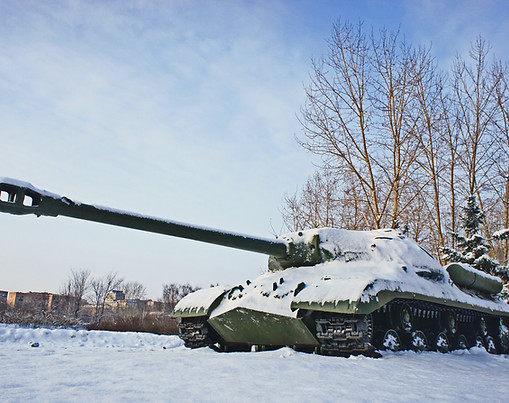
Russian Losses in Kursk Oblast
Five months after Ukraine’s incursion into Russia’s Kursk oblast, the operation continues to strain Moscow by tying down forces on its own territory and presenting President Putin with the ongoing reality of a foreign power holding Russian land, while renewed Ukrainian attacks and steady Russian counter‑advances have driven significant equipment losses.